Benefits of Behind-the-Ear Hearing Aids for Seniors
Improved Quality of LifeThe Role of Technology in Hearing Aids

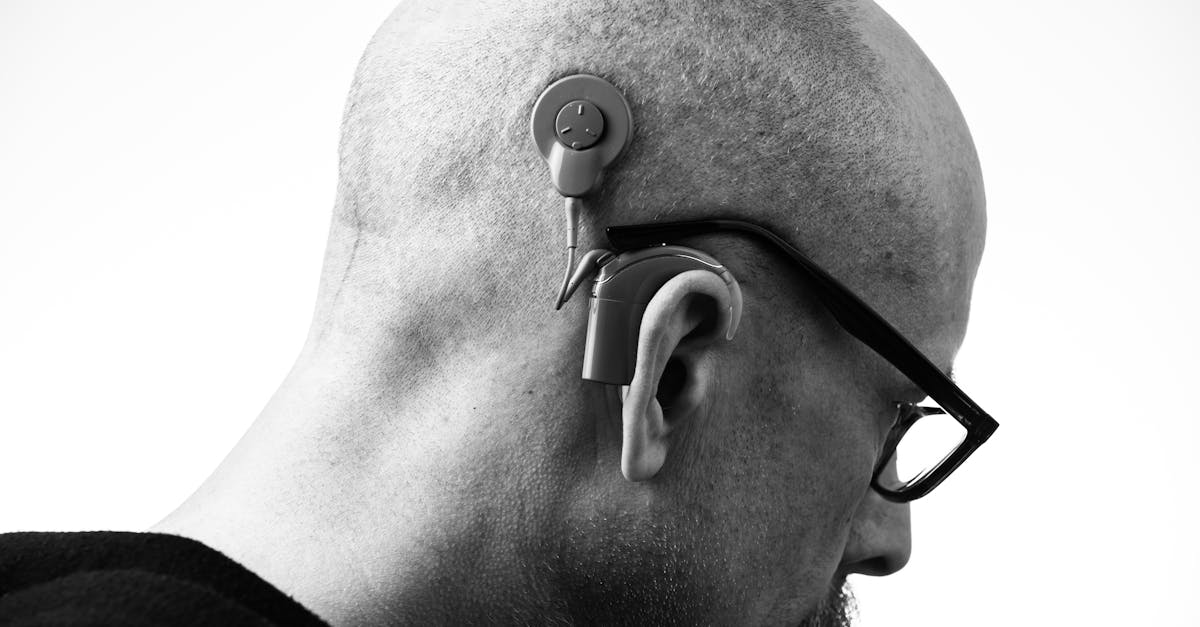
Hearing loss can significantly hinder everyday activities and diminish social interactions. Behind-the-ear hearing aids offer a practical solution by amplifying sounds and enhancing clarity in various environments. With these devices, seniors can enjoy conversations with friends and family, navigate public spaces more comfortably, and participate in activities they once found challenging. Technology plays a pivotal role in enhancing the effectiveness of hearing aids. Modern devices incorporate sophisticated features such as Bluetooth connectivity, enabling seamless integration with smartphones and other devices. This allows users to stream audio directly to their hearing aids, resulting in improved sound quality and convenience. Noise reduction algorithms and directional microphones have also significantly advanced, helping users to focus on specific sounds in noisy environments.

The benefits extend beyond just hearing enhancements. Improved communication fosters stronger relationships and helps alleviate feelings of isolation experienced by many seniors. As users become more engaged and confident, their overall emotional well-being can see a marked improvement, contributing to a more fulfilling lifestyle in their golden years.Moreover, the development of rechargeable batteries has made using hearing aids more user-friendly. Users no longer need to fuss with tiny batteries, as many models now come with built-in charging systems. Software updates can be easily installed, ensuring that users benefit from the latest enhancements. These technological advancements not only improve the auditory experience but also promote user satisfaction and compliance with hearing aid use.

Encouragement of Social InteractionsAdvances in Hearing Aid Features and Functionality

Seniors often face challenges in engaging with others due to hearing difficulties. Behind-the-ear hearing aids can significantly enhance sound clarity, allowing seniors to participate more fully in conversations. This improved auditory experience can foster deeper connections with family, friends, and community members, leading to a more fulfilling social life. Modern hearing aids incorporate sophisticated technologies that significantly enhance their performance. Innovations such as digital signal processing allow these devices to analyse and filter sounds more efficiently. This capability enables users to experience clearer sound quality, even in noisy environments. Features like Bluetooth connectivity have also transformed how individuals engage with their devices. Users can stream audio directly from smartphones or other electronic devices, which improves convenience and accessibility.

Social interactions play a crucial role in mental and emotional well-being. As seniors feel more confident in their ability to hear and communicate, they are more likely to attend social events and family gatherings, reducing feelings of isolation. By encouraging these interactions, behind-the-ear hearing aids help maintain vital social networks that are essential for overall happiness and quality of life.Another noteworthy advancement is the implementation of automatic adjustments based on environmental acoustics. Hearing aids can now adapt their settings independently, optimising sound quality without requiring manual input from the user. Additionally, some models offer personalised fitting through customisation options, enabling audiologists to tailor the devices to the specific hearing profiles and preferences of individuals. These innovations aim not only to improve hearing but also to enhance the overall user experience by making hearing aids more user-friendly and adaptive to everyday life.

Long Battery LifeFollowUp Care After Fitting

Seniors often face challenges with hearing aids that require frequent battery replacements. Behind-the-ear models offer superior battery life compared to smaller devices, reducing the hassle of constant maintenance. This advantage allows users to enjoy longer operation periods without worrying about power depletion. Many seniors appreciate the ease of not needing to replace batteries as often, which also helps alleviate any concerns regarding accessibility and dexterity.After the initial fitting of hearing aids, follow-up care plays a crucial role in ensuring their efficacy. Audiologists conduct regular check-ups to assess the fit and functionality of the devices. This allows for adjustments that enhance comfort and sound quality tailored to the individual’s hearing needs. During these appointments, patients often discuss their experiences and any challenges they face, providing valuable feedback that aids in optimising the device's performance.

Moreover, the longer-lasting batteries can prove beneficial for overall user experience. With improved durability, these hearing aids align well with the lifestyle needs of seniors, allowing them to engage in daily activities without interruption. The reliability of extended battery life promotes a sense of independence, ensuring that wearers can interact freely without the fear of their devices failing unexpectedly.Ongoing support is essential for users to adapt to their hearing aids effectively. Audiologists can provide guidance on the adjustment period and educate patients about the various features of their devices. This education includes tips on how to maximise the benefits of hearing aids, as well as strategies to mitigate any difficulties encountered. Building a supportive relationship encourages users to express concerns and seek help, fostering a more successful integration of the hearing aids into daily life.

Reducing the Frequency of ReplacementsImportance of Ongoing Audiological Support

Behind-the-ear hearing aids are designed for durability and long-term use, minimising the need for frequent replacements. Their construction often includes robust materials that stand up well to daily wear and tear. This durability is crucial for seniors, who may face physical challenges that can inadvertently damage less sturdy devices. By investing in a quality behind-the-ear model, users can enjoy reliable performance over several years.Continuous audiological support plays a crucial role in the successful adaptation to hearing aids. Regular follow-ups ensure that the devices are functioning optimally and meet the specific needs of the wearer. Audiologists can monitor changes in hearing ability over time, adjusting the settings of the hearing aids as necessary. This tailored approach helps individuals navigate any challenges they may experience, enhancing their overall auditory experience.

In addition to their sturdy design, many behind-the-ear hearing aids come with features that allow for easier maintenance and repairs. Some models offer replaceable components that can be swapped out as needed, extending the lifespan of the device. This adaptability not only reduces costs associated with obtaining new hearing aids but also provides seniors with peace of mind, knowing that their device can be serviced rather than entirely replaced.Moreover, patient education is a significant component of ongoing support. Audiologists provide essential guidance on the proper care and maintenance of hearing aids. They also address any concerns or questions that arise, ensuring that users feel confident and comfortable with their devices. This ongoing relationship fosters a sense of empowerment, encouraging individuals to embrace their hearing aids as integral tools for improved communication and quality of life.

CostEffectivenessCommon Challenges with Hearing Aids

Investing in behind-the-ear hearing aids represents a smart financial choice for seniors navigating their hearing health. These devices, while initially costing more than other models, provide significant long-term savings over time. The durability of behind-the-ear designs reduces the likelihood of repairs and replacements, easing the overall burden on a senior's budget. Additionally, many models incorporate advanced features that enhance sound clarity and minimize background noise, making them effective tools for improving communication without the need for frequent upgrades.Many users encounter issues with comfort and fit when first adapting to hearing aids. A device that is too tight can cause discomfort, while one that is too loose may not function effectively. Finding the right balance is essential for an optimal hearing experience. Additionally, some individuals report difficulties with sound clarity and perception, which may stem from improper settings or environmental factors.

Furthermore, seniors often experience better health and wellbeing when using these aids, which can lead to reduced healthcare costs in the long run. Improved hearing capabilities can facilitate more active lifestyles and participation in social events, potentially lowering the risk of depression and other health issues commonly associated with isolation. This holistic approach to care underscores the financial advantages of selecting behind-the-ear hearing aids, as the investment transcends beyond mere device purchase and extends to better quality of life.Another common challenge involves managing battery life and technology maintenance. Regularly changing batteries and ensuring that the devices are kept clean can help prevent performance issues. Users may also experience challenges related to connectivity with other devices, such as smartphones or televisions. Understanding these obstacles can empower users to seek the right solutions and maximise their hearing aid potential.

Value Over Time for SeniorsTroubleshooting and Maintenance Tips

Behind-the-ear hearing aids prove to be a wise investment for seniors when considering long-term value. These devices tend to have a longer lifespan compared to other styles, thanks to their durable design and robust technology. This feature not only reduces the frequency of replacements but also lessens the overall expenditure on hearing aids. Many models are equipped with advanced technologies that adapt to different listening environments, offering users enhanced experiences without needing frequent upgrades.Regular maintenance plays a crucial role in ensuring hearing aids function effectively over time. Users should routinely clean their devices to remove earwax and moisture, which are common threats to audio performance. Using a soft, dry cloth and specially designed cleaners can prevent buildup without causing damage. It is also essential to check the battery regularly, replacing it at the first signs of diminished sound quality. Keeping spare batteries on hand can eliminate inconvenience during essential moments.

In addition to their longevity, these hearing aids often come with improved warranties and service packages. Seniors can feel more secure knowing they have access to ongoing support, maintenance, and repairs. This aspect contributes significantly to their overall cost-effectiveness, making them a practical choice. Users may find that the initial investment pays off over the years through reduced out-of-pocket costs and enhanced day-to-day enjoyment of life.Users may encounter occasional issues with their devices, such as sound distortion or feedback. If these problems arise, ensuring that the hearing aid is correctly fitted and positioned in the ear can often resolve such concerns. Adjusting the volume settings may also help eliminate unwanted noises. If problems persist, consulting with an audiologist for troubleshooting can enhance the user experience significantly. Regular check-ups ensure that the devices continue to meet hearing needs effectively.

FAQSFAQS

What are the main benefits of behind-the-ear (BTE) hearing aids for seniors?What is the primary role of an audiologist in hearing aid fitting?

BTE hearing aids offer several benefits for seniors, including improved quality of life through better hearing, encouragement of social interactions, long battery life, reduced frequency of replacements, and cost-effectiveness which provides value over time.An audiologist's primary role in hearing aid fitting is to assess an individual's hearing loss, recommend the most suitable hearing aids based on their specific needs, and ensure proper fitting and adjustment for optimal performance.

How do BTE hearing aids improve the quality of life for seniors?How do audiologists stay updated with advancements in hearing aid technology?

BTE hearing aids enhance the quality of life by allowing seniors to hear more clearly, thus reducing frustration in conversations and enabling them to participate more fully in social activities.Audiologists stay updated with advancements in hearing aid technology through continuous professional development, attending industry conferences, engaging with manufacturers, and participating in training programs related to new features and functionalities.

What features contribute to the long battery life of BTE hearing aids?Why is follow-up care important after fitting hearing aids?

BTE hearing aids typically have larger batteries compared to other styles, which allows for longer usage between charges or replacements. Additionally, advancements in technology have improved energy efficiency.Follow-up care is crucial after fitting hearing aids because it allows audiologists to monitor the user’s adaptation to the devices, make necessary adjustments, and address any concerns or challenges that may arise during the initial usage period.

Are BTE hearing aids more cost-effective than other types of hearing aids?What common challenges do users face with their hearing aids?

Yes, BTE hearing aids can be more cost-effective in the long run due to their durability, longer battery life, and reduced need for frequent replacements, making them a valuable investment for seniors.Common challenges users may face with their hearing aids include discomfort, difficulties with sound clarity, issues with battery life, and problems with connectivity features, which can be addressed through troubleshooting and maintenance strategies provided by audiologists.

How can BTE hearing aids encourage social interactions among seniors?How can I find a qualified audiologist for hearing aid fitting?

By improving hearing clarity, BTE hearing aids help seniors engage better in conversations, thus reducing feelings of isolation and encouraging more active participation in social events and gatherings.You can find a qualified audiologist for hearing aid fitting by seeking recommendations from healthcare providers, checking professional associations, or looking for accredited audiology clinics that offer comprehensive hearing assessments and services.


Related LinksRelated Links

Common Issues with Behind-the-Ear Hearing Aids and SolutionsTop Tips for Choosing the Right Hearing Aids in Cheshire
How to Choose the Right BTE Hearing Aid in CheshireThe Process of Hearing Aid Fitting Explained
Innovations in Behind-the-Ear Hearing Aid DesignSuccess Stories: Transforming Lives with Proper Hearing Aid Fitting
Cost Considerations for Behind-the-Ear Hearing AidsInnovations in Hearing Aid Fitting Technology
User Experiences with BTE Hearing Aids in CheshireThe Benefits of Custom Fitted Hearing Aids
Comparing BTE Hearing Aids with Other TypesWhat to Expect During Your Hearing Aid Fitting Appointment